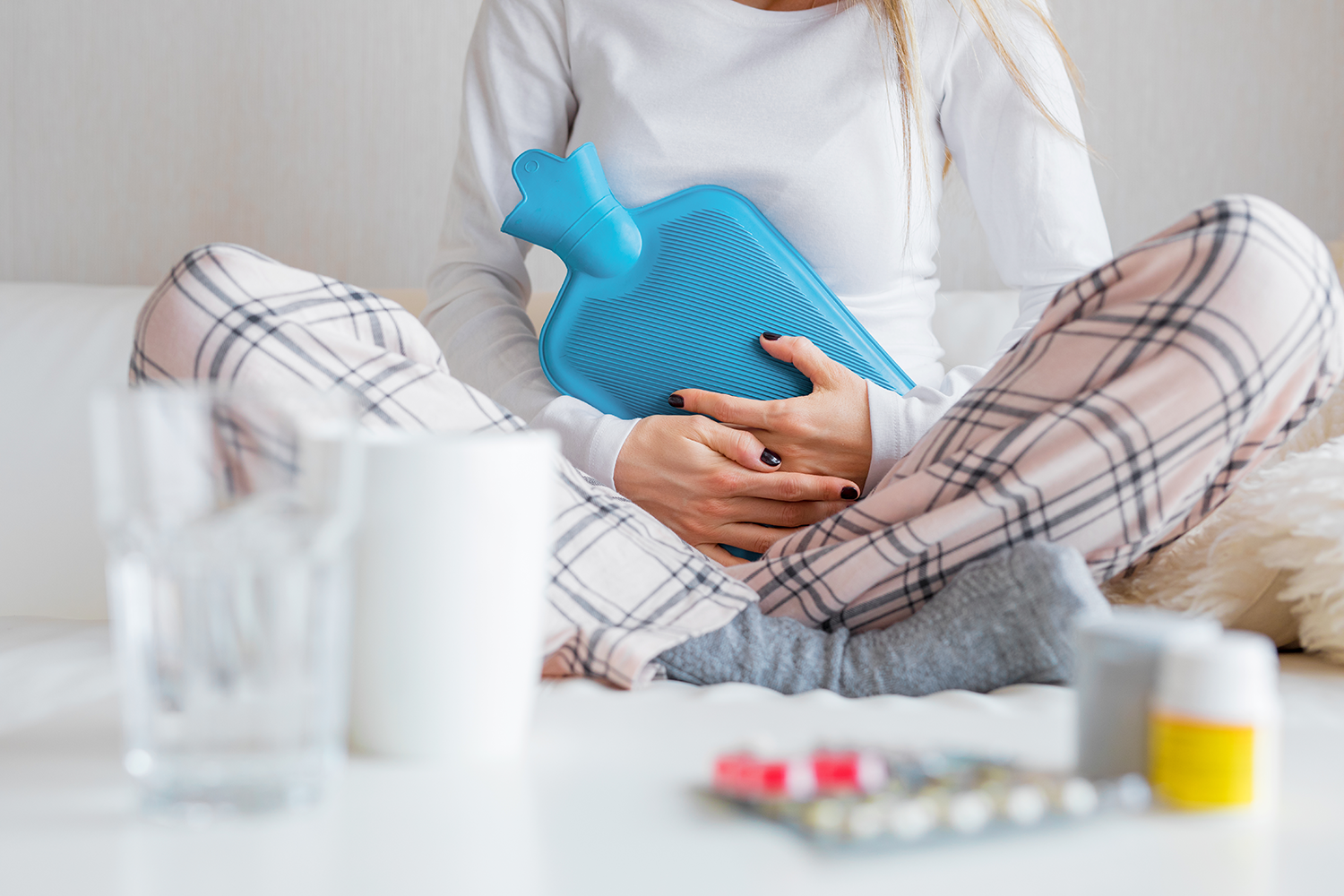

Help Seeking Experiences for Menstrual Pain
Common Challenges When Help-seeking
Many youth are experiencing menstrual pain and are uncertain if or how to get help.
In our research, we have learned that youth often experience difficulties asking for help with their menstrual pain when they visit their doctor. Here are some common challenges we have heard from youth:

Learn more about the biopsychosocial contributions to menstrual pain
- When youth do seek help and receive treatment, many do not find that the treatment is effective (i.e., they don't find that it works).
- Youth wish their doctor would spend more time explaining why they are recommending certain treatments.
- Youth wish their doctor would spend more time explaining the risks and benefits of certain treatment.
- Many youth feel frustrated by the perception that medication, particularly birth control, are the only options.
- Many youth feel that they are told that their pain is normal.
- Many youth do not feel they have enough explanation for why they are not receiving more testing.
- Teens wish they would receive education about normal vs. atypical menstrual pain.
- Teens often feel dismissed when they try to seek help.
Learn more about the biopsychosocial contributions to menstrual pain
When to Seek Help
Although menstrual pain is common, not all menstrual pain is normal. Sadly, many people who menstruate think that period pain is a normal part of life that they just have to live with.
It is probably unrealistic to expect that periods don't ever cause any pain. That said, not all menstrual pain should be disregarded. Anyone with menstrual pain who wants help should be able to ask for it. Here are some situations where it might be particularly important to speak to a doctor.
You might need to talk to a doctor if…
- You are missing school every time you have your period.
- You can't get out of bed or have trouble moving when you have your period pain.
- You feel like your mental health is made worse by your period pain.
- You worry about pain that might happen in future periods.
- Your period feels unmanageable.
- You've been given medication to manage your pain and it doesn't feel like it is helping.
It is important to note that if you visit a doctor and receive treatment for your menstrual pain, but it does not improve, you need to visit your doctor again!
Tips and suggestions for improving care
- It can sometimes feel awkward, but health professionals hear all sorts of things. It's okay to be the one to bring up your period.
- It is okay to ask:
- About the side effects of medications.
- If there are any other options than what is being suggested.
- What you should do if the treatment option does not help.
- Why no further testing is being recommended.
- It can help to bring someone who is a good advocate to your appointments.
- If your treatment isn't working, you should follow up with your treatment provider.
How can I feel better?
There are many ways to relieve menstrual pain, including gentle exercise, heat therapy, and stress management techniques. Visit our strategy sections (Pharmacological and Non-pharmacological) for expert-backed strategies and personalized approaches to help you feel better.