All your questions, answered.
What is menstrual pain?

Learn more about the biopsychosocial contributions to menstrual pain
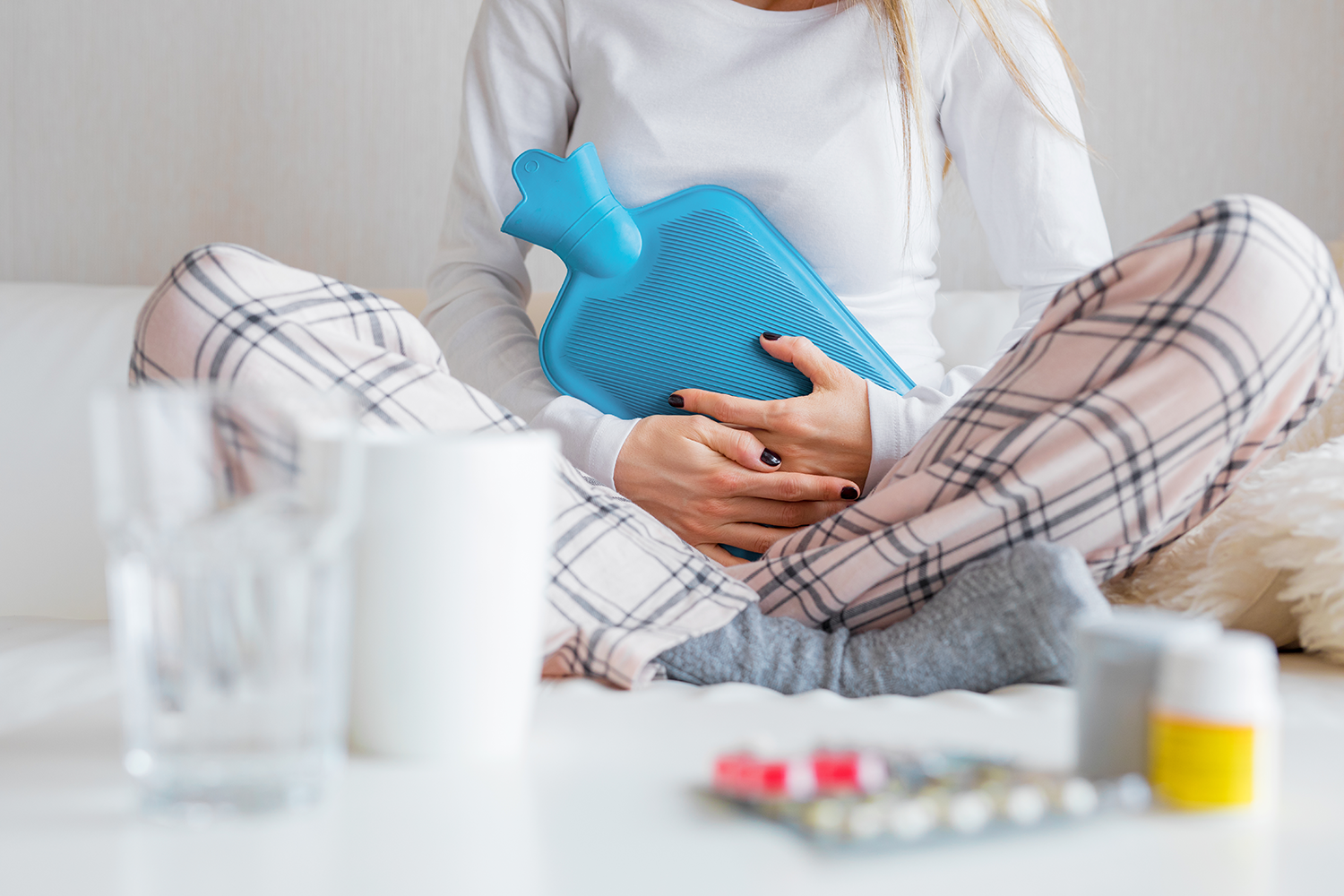
Menstrual pain is the cramping and discomfort that occurs when someone is having their period. It is often referred to as dysmenorrhea. There are two types of dysmenorrhea and these are referred to as primary dysmenorrhea and secondary dysmenorrhea.
- Primary dysmenorrhea is period discomfort that is not caused by a specific health problem. Pain usually starts a day or two before the start of a period or on the day the period arrives and usually lasts for one to three days. Some people also have other concerns like bloating, nausea, diarrhea, and acne with their period. The pain happens when chemicals in the uterus cause the muscle and blood vessels to tighten up (contract), which leads to pain.
- Secondary dysmenorrhea is period discomfort caused by a health problem with the reproductive organs. Some of the health problems that cause secondary dysmenorrhea are , , and .
Many teens experience dysmenorrhea and primary dysmenorrhea is more common than secondary dysmenorrhea. There are several other causes of secondary dysmenorrhea and it is important to speak to a health professional if you think there maybe be a problem.
Learn more about the biopsychosocial contributions to menstrual pain
Who experiences menstrual pain?
Even though about half the population has a uterus and menstruates, it's surprising how little periods are talked about. The silence around periods is tricky for youth because they do not always have the information they need. Many teens:
- Wonder if their pain is normal.
- Don't know when to ask for help for their pain.
- Don't share their pain with others because they don't know others might have pain too.
- Miss out on school and life because they do not know that there are options to help with their period pain.
Between 45% and 90% of people who menstruate report having menstrual pain.
About 25% of adolescents who menstruate report their pain is severe or very severe.
Between 33% and 66% of teens miss at least one day of school per period.
Nearly 15% of teens report that they are regularly unable to engage in their daily activities or are even stuck in bed because of their symptoms.
About 25% of people with menstrual pain don't get any relief with medication used to manage their pain, or they have side effects that they don't like.
When should I talk to a health professional about period pain?
A good rule of thumb is if your period pain interferes with daily activities or your quality of life, it is a good idea to talk to someone.
Why can it take a long time to diagnose menstrual pain problems?
Many teens who have a secondary cause to their dysmenorrhea do not get their diagnosis until they are adults. There are a number of reasons for this. Some reasons include:
- Normalization of menstrual pain that leads teens to believe the pain they experience is typical.
- Dismissal of menstrual pain by family members, physicians, and society.
- Overlap with primary dysmenorrhea: oftentimes, secondary dysmenorrhea is not considered until primary dysmenorrhea has been ruled out. This means that treatment must be tried and fail to work before moving onto further examination.
- Unpredictability of early menstrual cycles: It can take some time (up to 2-3 years!) for periods to become regular in teens. This can make it harder to determine if there is an underlying problem because it is assumed that irregular cycles are due to being a new menstruator.
- Stigma and embarrassment: although periods are normal lots of people can feel embarrassed talking about them. This can lead teens to be uncomfortable bringing up concerns and family members to assume there is no problem.
- Lack of education in menstrual health: Many of us never learn about normal periods and if we do, it is not enough to understand when there is a problem and what to do about it.
You are not alone!
More Answers
How can I feel better?
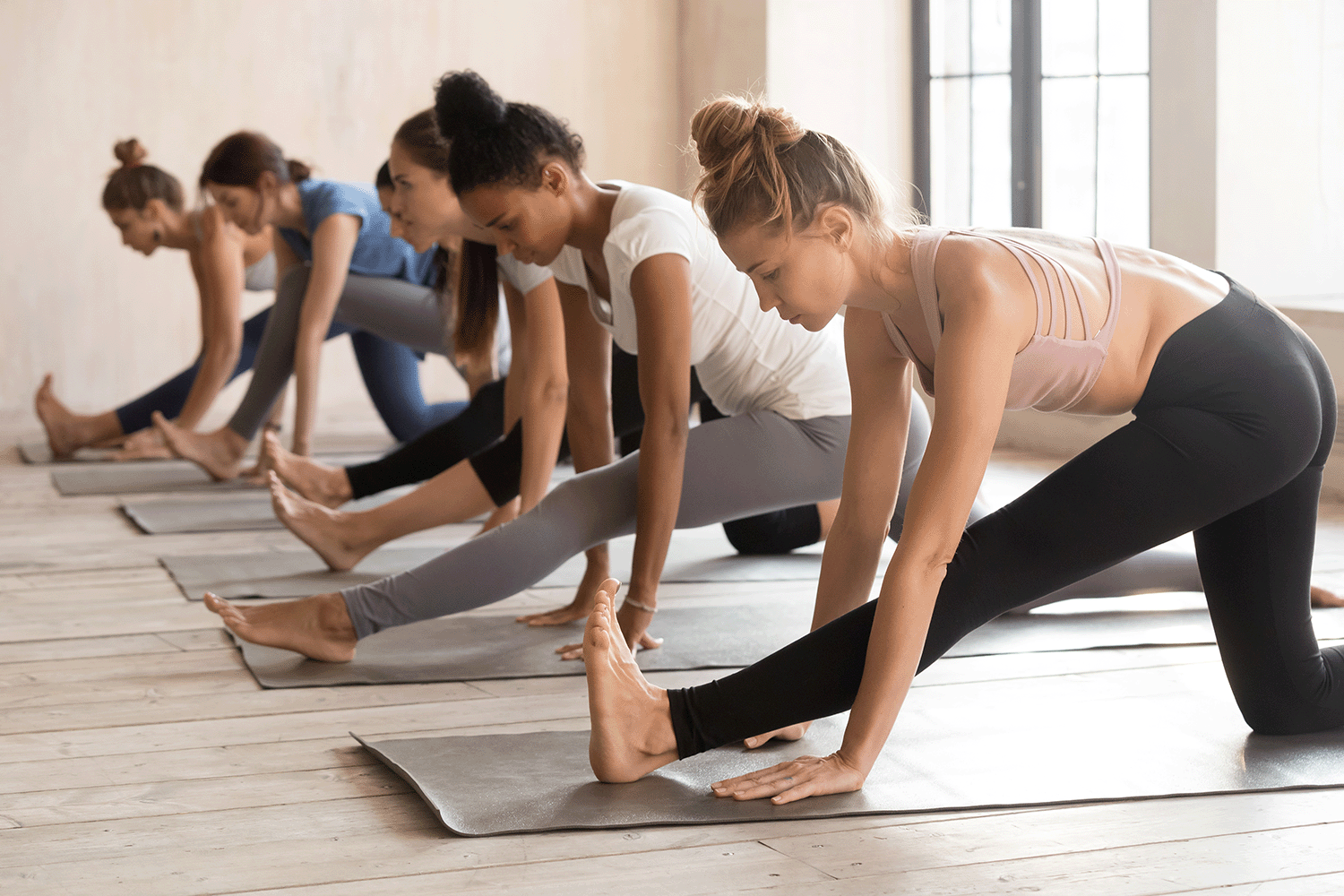
There are many ways to relieve menstrual pain, including gentle exercise, heat therapy, and stress management techniques. Visit our strategy sections (Pharmacological and Non-pharmacological) for expert-backed strategies and personalized approaches to help you feel better.